
Malaria Prevention for Travelers: CDC Yellow Book Checklist
The CDC says malaria prevention consists of a combination of mosquito avoidance measures and chemoprophylaxis, meaning prescription antimalarial medicine. Anopheles mosquitoes feed at night, so nets, screens, and repellent matter after dark. Which drug fits depends on your destination and your health history, so a clinician decides. Any fever in the year after travel means immediate medical attention.
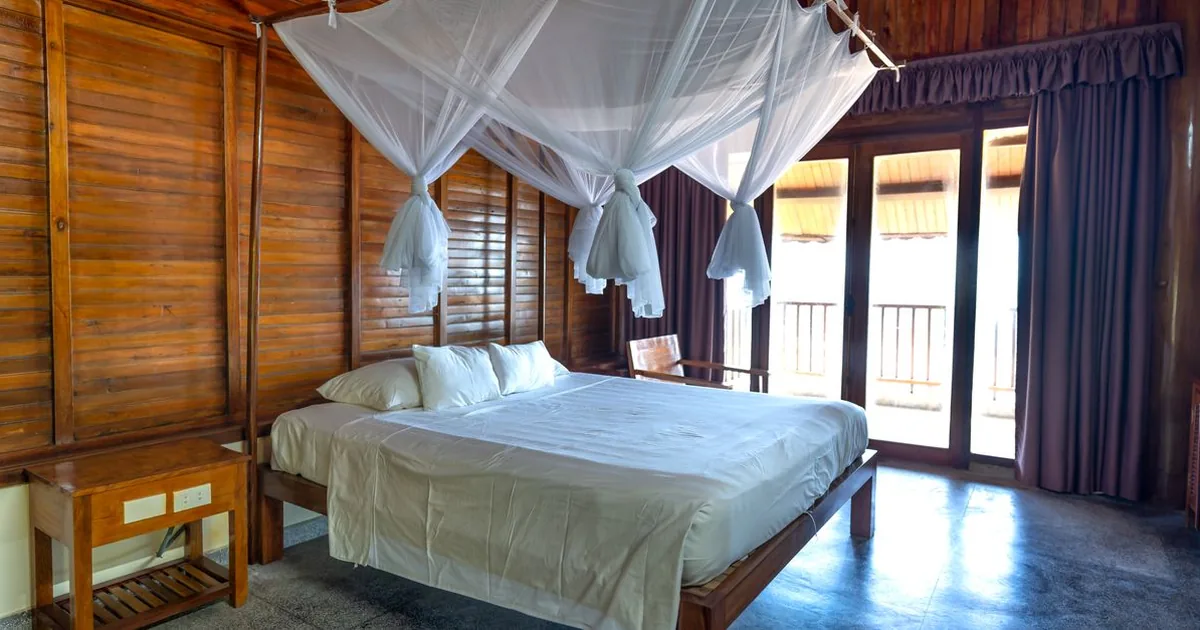
About 2,000 cases of malaria are diagnosed in the United States in a typical year, and the CDC Yellow Book says almost all of them are imported. Its framing: interventions are highly efficacious, but not 100% effective. That is why CDC pairs the medicine and the mosquito net rather than treating either one as sufficient.
Where is malaria actually a risk?
The WHO counted an estimated 282 million malaria cases and 610,000 malaria deaths in 80 countries in 2024. The WHO African Region carried 95% of cases, 265 million, and 95% of deaths, 579,000. Children under 5 accounted for about 75% of malaria deaths in that region. That 75% is scoped to the African Region.
Short answer: CDC guidance says malaria prevention combines mosquito avoidance measures with chemoprophylaxis, meaning prescription antimalarial medicine. Anopheles mosquitoes feed at night, so nets, screens, and repellent matter after dark. Which medicine fits depends on destination and health history, so a clinician decides. Any fever in the year after travel needs immediate medical attention.
The Yellow Book: "Malaria transmission is not distributed homogeneously throughout a country, so review the exact itinerary to determine if travel will occur in highly endemic areas." CDC's Yellow Book chapter Malaria Prevention Information, by Country breaks risk down to the specific parts of countries where malaria spreads, the species present, and local drug resistance. That chapter is what a travel clinician works from.
Yellow fever and malaria: two mosquitoes, two defenses
Different pathogen, different mosquito, different defense. The CDC Yellow Book says yellow fever virus is a Flavivirus spread primarily by Aedes or Haemagogus mosquitoes and preventable by vaccine; malaria is Plasmodium species transmitted by an infective female Anopheles mosquito, and its prevention is mosquito-avoidance measures plus chemoprophylaxis.
| Disease | Mosquito | When it bites | Prevention tool |
|---|---|---|---|
| Yellow fever, a Flavivirus | Primarily Aedes or Haemagogus; Aedes aegypti in the urban cycle | CDC: peak biting after sunrise and at sunset. WHO: day-biting | CDC: vaccine, if vaccination is recommended for you, plus preventing bites |
| Malaria, Plasmodium parasites | Infective female Anopheles | CDC: mainly between dusk and dawn; peak during the night or evening hours | CDC: mosquito avoidance plus chemoprophylaxis. CDC: no vaccine for malaria currently available in the U.S. |
The two agencies word the yellow fever mosquito's clock differently. The CDC Yellow Book says peak biting of Aedes aegypti, the primary vector for yellow fever and dengue, is after sunrise and at sunset. The WHO says yellow fever is primarily transmitted by day-biting mosquitoes, and that insecticide-treated bed nets are less effective against it because those mosquitoes bite during the daytime. The CDC's own caution covers the overlap, which is why the two diseases do not split the clock cleanly between them.
The maps differ. The CDC says yellow fever occurs in Sub-Saharan Africa and tropical South America; the WHO counts 27 African and 13 Latin American countries as high-risk for outbreaks. The CDC's malaria list covers large areas of Africa, Latin America, and parts of the Caribbean, the South Pacific and Asia; the CDC cites WHO's count of 83 malaria-endemic countries.
The defenses follow. The CDC says the best way to prevent yellow fever is to prevent mosquito bites and get vaccinated before traveling, if vaccination is recommended for you; the WHO says a single dose provides lifelong immunity, no booster needed. Malaria runs on a different defense: the CDC says there is no vaccine for malaria currently available in the U.S. The CDC's pointer: discuss the need for vaccination with your healthcare provider.
Why does the night matter so much with malaria?
Because the vector is nocturnal. The Yellow Book: "Malaria transmission occurs primarily between dusk and dawn because of the nocturnal feeding habits of Anopheles mosquitoes." CDC's table of peak biting periods lists Anopheles as night and evening, against dawn and dusk for the Aedes species behind dengue, and late evening for Culex quinquefasciatus, a West Nile vector.
Two qualifiers. CDC says biting activity for Anopheles varies with the species, and only that peak activity "tends to be during the night or evening hours." It also warns that regional variations and overlap in feeding times mean travelers "need to be cautious about mosquito bites at all times of day and night in regions where mosquito-borne diseases are a risk." Night is where the odds concentrate. It does not make daytime free.
CDC's risk assessment guidance tells clinicians that even in low-risk situations, "it only takes one bite from an infective female Anopheles mosquito to transmit malaria," and to ask whether a traveler will be outdoors in the evenings for dining or entertainment.
What are the CDC's mosquito avoidance layers?
CDC lists them as a stack to run together. Use an EPA-registered insect repellent. Wear loose-fitting, long-sleeved shirts, pants, and socks. Treat clothing and gear such as boots and tents with 0.5% permethrin, or buy pre-treated gear, and never apply permethrin to skin. Keep windows and doors screened, and repair broken screens. Sleep in a well-screened or air-conditioned room, or under a permethrin-treated bed net.
CDC names six active ingredients found in EPA-registered products: DEET, picaridin (known as KBR 3023 and icaridin outside the US), IR3535, oil of lemon eucalyptus, para-menthane-diol, and 2-undecanone. The WHO's version: use mosquito repellents containing DEET, IR3535, or icaridin after dusk. The EPA is explicit about what a government list is not: "EPA and the U.S. Government do not endorse any product or service."
The bed net has a spec, and CDC publishes it: compact, white, rectangular, 156 holes per square inch, long enough to tuck under the mattress. CDC says to buy one before traveling overseas, and that permethrin-treated nets provide more protection than untreated nets. More in permethrin-treated clothing and mosquito repellent for kids.
Why does the choice of prophylaxis depend on destination and health history?
CDC states that recommended drugs for each country "are listed in alphabetical order and have comparable efficacy in that country." CDC tells the traveler and clinician to weigh drug resistance at the destination, length of travel, the patient's other medical conditions, allergy history, other medications already being taken so interactions can be assessed, side effects, and cost.
Resistance draws the first line. Chloroquine-resistant P. falciparum is found in all parts of the world (Africa, Asia, South America) except the Caribbean and Central American countries west of the Panama Canal, and chloroquine cannot be used where that resistance exists. Mefloquine-resistant P. falciparum has been confirmed in parts of Southeast Asia, and CDC says mefloquine cannot be used in areas with mefloquine resistance.
Then your own history narrows it further. Per CDC's prescribing table, atovaquone-proguanil cannot be taken by people with severe renal impairment, or by women pregnant or breastfeeding a child under 5 kg. Doxycycline cannot be used by pregnant women or children under 8. Mefloquine cannot be used in patients with certain psychiatric conditions or a seizure disorder. Primaquine and tafenoquine cannot be used in patients with G6PD deficiency, and CDC says quantitative G6PD testing must be done before either is prescribed.
Timing is the third variable, which is why last-minute trips change the answer. CDC's table starts atovaquone-proguanil, doxycycline, and primaquine 1 to 2 days before travel, tafenoquine 3 days before, chloroquine and mefloquine 1 to 2 weeks before. The tail differs too: 7 days after leaving for atovaquone-proguanil and primaquine, one week for tafenoquine, 4 weeks for chloroquine, doxycycline, and mefloquine. CDC and WHO differ here. WHO gives one blanket instruction, that all prophylactic drugs "should be continued for 4 weeks after the last possible exposure to infection since parasites may still emerge from the liver during this period," while CDC's table sets a different tail for each drug. Follow the schedule your prescriber gives you.
Three more things from CDC. Get all your medications in the US before traveling, because counterfeit and substandard drugs are sold in some countries where malaria spreads. There is no vaccine for malaria currently available in the US. And no antimalarial drug is 100% protective, which is why the mosquito layers stay on.
How do you look up malaria prophylaxis for a specific country?
Open the CDC Yellow Book chapter Yellow Fever Vaccine and Malaria Prevention Information, by Country, 2026 edition, and read your destination's row. The CDC's summary of the chapter: country-specific yellow fever vaccine entry requirements and CDC recommendations, plus malaria transmission information and prevention recommendations. The drugs in the row are the ones the CDC recommends for that country, in the alphabetical order described above, so read the row as a list rather than a ranking.
The worked example is India, from CDC's Travelers' Health page for India. The CDC recommends that travelers going to certain areas of India take prescription medicine to prevent malaria, started multiple days before the trip depending on the medicine and continued during and after it. Transmission areas: throughout the country, including Mumbai and New Delhi, with none above 2,000 m (6,500 ft) in the areas the CDC lists by state. Drug resistance: chloroquine. Species: P. falciparum 60%, P. vivax 40%. Recommended chemoprophylaxis, in the CDC's alphabetical listing: atovaquone-proguanil, doxycycline, mefloquine, tafenoquine. Yellow fever, same page: vaccine not recommended, not required for direct travel from the United States, required for travelers 9 months and older arriving from countries India regards as having yellow fever risk.
The row is where the conversation starts. The CDC says to use these recommendations alongside an individual risk assessment of itinerary, cities, accommodations, season, style of travel and conditions such as pregnancy; depending on the level of risk, it might be appropriate to recommend no specific interventions, mosquito avoidance only, or mosquito avoidance plus chemoprophylaxis. Mosquito avoidance, in the CDC's definition, means topical repellent, an insecticide-treated bed net, and long pants, socks and a long-sleeve shirt: see the permethrin and picaridin system. Check the CDC site for updates, because the CDC says transmission can change rapidly and from year to year. Then take the row, your itinerary, activities, accommodations and medical history to a healthcare provider, which the CDC says is how you learn your risk and whether you need medication.
Which travelers are most often caught out?
The Yellow Book names long-term travelers and expatriates, and travelers visiting friends and relatives, as the categories at greatest risk. In the surveillance data the chapter cites, 76% of U.S. civilians with malaria who reported a reason for travel were visiting friends and relatives. CDC traces that to an assumption rather than to where people go: "VFR travelers may erroneously consider themselves immune to malaria because they grew up in a malaria-endemic country. The partial immunity acquired through continuous exposure to malaria is lost quickly, and VFR travelers should be considered to have the same risk of malaria as other nonimmune travelers."
Style of travel matters too. CDC notes that short-term business travelers in air-conditioned hotels may be at lower risk than backpackers, and that travelers going to rural areas or staying without screens or air conditioning are at greater risk. On pregnancy, CDC is direct: malaria infection in pregnant women can be more severe than in nonpregnant women, so women who are pregnant or likely to become pregnant should be advised to avoid travel to areas with malaria transmission if possible.
What are the symptoms, and how fast do you need to move?
The Yellow Book describes malaria as characterized by fever and influenza-like symptoms, including chills, headache, muscle aches, and malaise, plus nausea, vomiting, and diarrhea. Symptoms can occur intermittently. Severe disease can involve acute kidney injury, mental confusion, severe anemia, seizures, coma, and death.
The clock is unusual. CDC says the incubation period in most cases ranges from 7 to 30 days, that most people begin to feel ill as early as one week after infection or as late as a year or more, and that some species can remain dormant in the liver for months or years. That is why CDC tells travelers to seek immediate medical attention for a fever or flu-like illness, whether abroad or for up to one year after returning home, and to tell the provider the travel history.
The WHO: left untreated, P. falciparum malaria can progress to severe illness and death within 24 hours. The Yellow Book calls suspected or confirmed malaria, especially P. falciparum, "a medical emergency requiring urgent intervention because clinical deterioration, including death, can occur rapidly and unpredictably." The Yellow Book says travelers with symptoms should seek the best available medical services as soon as possible, even if still traveling, and continue chemoprophylaxis until they have a definitive diagnosis.
CDC says interventions are not 100% effective, "so all febrile persons returning from malaria-endemic areas should be tested for malaria even if they took chemoprophylaxis." Blood smear microscopy remains the most important diagnostic method, and CDC says results should be available as soon as possible, within 24 hours of the patient's presentation. Every decision about testing, medication, and treatment belongs to a clinician who knows your itinerary and your history.
Where Longsleeve fits
Longsleeve is an EPA-registered picaridin lotion (EPA Reg. No. 101457-1). It repels mosquitoes and ticks for up to 14 hours. It is fragrance-free, with nine disclosed ingredients.
Common questions
Do I still need repellent and a bed net if I am taking antimalarial pills?
Yes. CDC says no antimalarial drug is 100% protective, so travelers must combine chemoprophylaxis with mosquito avoidance and personal protective measures, including long sleeves, long pants, and sleeping in a mosquito-free setting under an insecticide-treated net.
How long after a trip can malaria show up?
Longer than most people expect. CDC says the incubation period in most cases ranges from 7 to 30 days, but people can begin to feel ill as late as a year or more, because some species stay dormant in the liver. CDC tells travelers to seek immediate medical attention for a fever for up to one year after returning home, and to mention the travel history.
Which antimalarial is the best one?
CDC does not frame it that way. Recommended drugs for each country are listed in alphabetical order and have comparable efficacy in that country. The choice comes down to resistance at your destination, trip length, your other conditions and medications, side effects, and cost. CDC tells travelers to work that out with a healthcare provider, using a detailed itinerary, your activities, your accommodations, and your medical history.
Is the yellow fever vaccine also protection against malaria?
The yellow fever vaccine covers yellow fever, which the WHO calls a vaccine-preventable disease; for malaria, the CDC says there is no vaccine currently available in the U.S., and prevention means antimalarial medication plus preventing mosquito bites. They are different diseases: the CDC says yellow fever virus is a Flavivirus and malaria is Plasmodium species carried by Anopheles mosquitoes. The CDC says to discuss the need for yellow fever vaccination with your healthcare provider.
Does DEET or picaridin prevent malaria?
The CDC's malaria prevention page lists DEET, picaridin (known as KBR 3023 and icaridin outside the US) and IR3535 among the EPA-registered insect repellent active ingredients, and puts repellent in the bite-avoidance layer that it tells travelers to run alongside chemoprophylaxis, not in place of it. The CDC adds that prevention strategies can be very effective, but none will protect 100% of the time.
More Longsleeve in your Google feed:
Sources
- CDC, About Malaria. https://www.cdc.gov/malaria/about/index.html
- CDC, Preventing Malaria While Traveling. https://www.cdc.gov/malaria/prevention/index.html
- CDC, Symptoms of Malaria. https://www.cdc.gov/malaria/symptoms/index.html
- CDC, Where Malaria Occurs. https://www.cdc.gov/malaria/data-research/index.html
- CDC, Choosing a Drug to Prevent Malaria. https://www.cdc.gov/malaria/hcp/drug-malaria/index.html
- CDC, Malaria Risk Assessment for Travelers. https://www.cdc.gov/malaria/hcp/risk-assessment/index.html
- CDC Yellow Book, Malaria. https://www.cdc.gov/yellow-book/hcp/travel-associated-infections-diseases/malaria.html
- CDC Yellow Book, Mosquitoes, Ticks, and Other Arthropods. https://www.cdc.gov/yellow-book/hcp/environmental-hazards-risks/mosquitoes-ticks-and-other-arthropods.html
- CDC Travelers' Health, Avoid Bug Bites. https://wwwnc.cdc.gov/travel/page/avoid-bug-bites
- WHO, Malaria fact sheet. https://www.who.int/news-room/fact-sheets/detail/malaria
- EPA, Find the Repellent that is Right for You. https://www.epa.gov/insect-repellents/find-repellent-right-you
- CDC Yellow Book 2026, Yellow Fever, April 23, 2025. https://www.cdc.gov/yellow-book/hcp/travel-associated-infections-diseases/yellow-fever.html
- World Health Organization, Yellow fever fact sheet, 20 October 2025. https://www.who.int/news-room/fact-sheets/detail/yellow-fever
- CDC, Preventing Yellow Fever, May 15, 2024. https://www.cdc.gov/yellow-fever/prevention/index.html
- CDC, Yellow Fever: Causes and How It Spreads, July 15, 2026. https://www.cdc.gov/yellow-fever/causes-and-spread/index.html
Last reviewed 2026-08-16 · every claim on this page is sourced above