
How Long Does Picaridin Last? Skin, Clothes, and Shelf Life
Short answer: Picaridin duration depends on the product label. EPA-listed examples range from 3 to 4 hours for a 5 percent formula to 14 hours for some 20 percent lotions and creams, with other 20 percent sprays and wipes listed for shorter times. Sweat, water, temperature, activity, and individual mosquito or tick attraction can change real-world performance, so follow the label for reapplication.
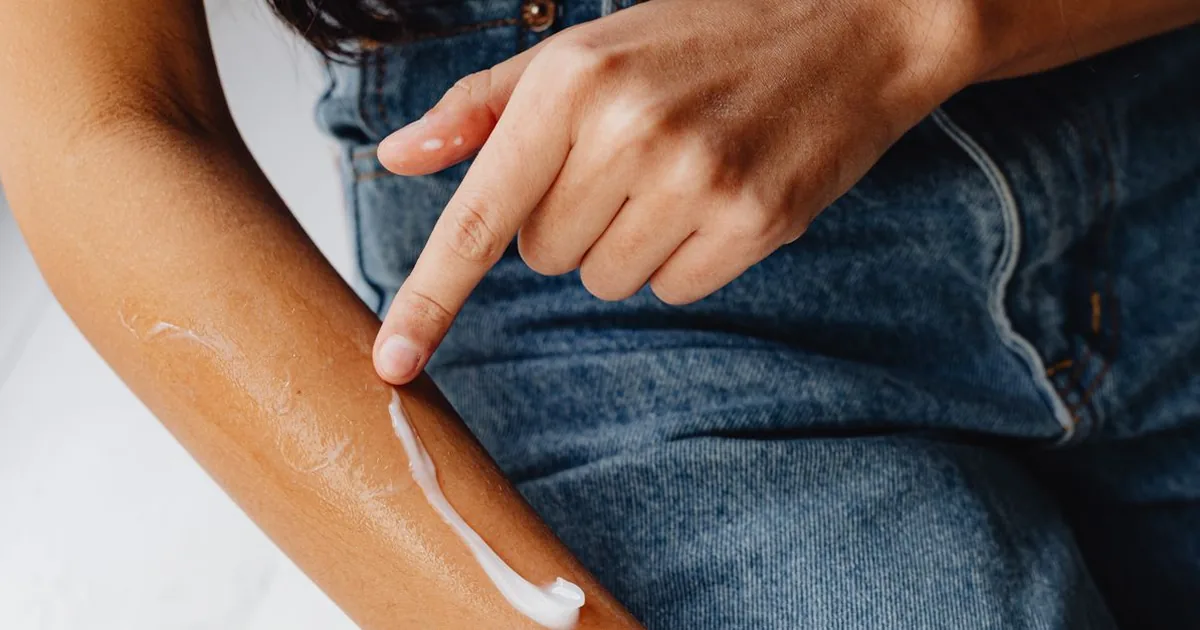
Picaridin is a synthetic repellent first made in the 1980s, designed to resemble piperine, a natural compound found in the group of plants used to produce black pepper. It was widely used in Europe and Australia before becoming available in the United States in 2005, and it works by making insects less likely to bite, apparently by blocking mosquitoes from sensing their prey. It does not kill them. EPA lists picaridin as the active ingredient in about 40 registered skin-applied repellent products, and how long each one lasts is written on its label, not baked into the ingredient itself.
How does the EPA approve protection times for repellents?
When a skin-applied repellent is EPA registered, that means the product was evaluated and approved for both human safety and effectiveness when used according to the label. The registration number on the back is shorthand for a data submission: the company provided EPA with technical information on the product's safety and its effectiveness against mosquitoes and/or ticks.
Protection times work the same way. The times shown in EPA's repellent search tool have been approved for product labels, and they are based on the effectiveness data each company submitted. Even with scientific testing guidelines and approved study methods, the resulting protection times can vary between products because testing conditions differ. That is why EPA says some repellents work longer than others, and advises choosing a product with a protection time that matches your expected activity.
Two more markers are worth knowing. Some products carry EPA's repellency awareness graphic, which identifies the pest a product is expected to repel and how long the repellent is expected to be effective. The numbers in that graphic represent typical protection times based on multiple reliable studies, and products with the graphic have gone through an extra EPA review. At the other end of the spectrum, repellents made from EPA-exempt minimum-risk ingredients, have not been evaluated by EPA for effectiveness at all. We unpack how repellent testing works on our science page.
How long does picaridin last by formulation?
Picaridin products come as pump sprays, liquids, aerosols, and wipes, and they can be used on human skin or clothing to repel mosquitoes, biting flies, ticks, fleas, and chiggers. EPA's search tool lets you filter these products by pest, protection time, active ingredient, and other product details. Here is what the tool lists for a representative product in each form:
| Product (EPA Reg. No.) | Form | Picaridin | Mosquitoes | Ticks |
|---|---|---|---|---|
| Sawyer Picaridin Insect Repellent Lotion (39967-50-58188) | Lotion | 20% | 14 hours | 14 hours |
| KBR 3023 All Family Insect Repellent Cream (39967-50) | Cream | 20% | 14 hours | 14 hours |
| Ranger Ready Repellents Tick + Insect Spray (93221-1) | Spray | 20% | 12 hours | 12 hours |
| Natrapel 8 Hour Insect Repellent Wipes (56575-14) | Wipes | 20% | 8 hours | 8 hours |
| OFF! FamilyCare Insect Repellent II (4822-536) | Not specified in the entry | 5% | 3 to 4 hours | X |
Two notes travel with this table. First, an X in a protection time column means the product has not been registered for protection from ticks. Second, EPA states the information in this database was last updated in June 2019, so treat these numbers as approved label listings and check the label on the bottle you actually buy.
Notice the spread. Four of those five rows use the same 20 percent concentration, and the listed times still run from 8 to 14 hours. None of those numbers is wrong. Each is the protection time approved for that specific product's label, and approved times can vary between products because testing conditions differ. For comparison, studies in EPA's database indicate DEET repels ticks for about two to ten hours and mosquitoes from two to twelve hours, depending on the percentage of DEET in the product. We put the two ingredients side by side in picaridin vs DEET.
What shortens picaridin protection in the real world?
Label times come from controlled testing, and real days outdoors are messier. Per EPA, a repellent's effectiveness can vary due to conditions like physical activity and perspiration, water exposure, air temperature, and how attractive you personally are to mosquitoes and ticks. Every person is different on that last one.
The other variable is you. EPA warns that if you do not follow the label directions, the product may not be as effective as you expect. That includes the amount: EPA's guidance is not to overuse a repellent, but to be sure you apply the amount the label indicates.
When should you reapply picaridin?
On the schedule printed on your product's label. EPA's guidance is to apply and reapply a repellent according to the label instructions, and the CDC says the same: always follow the product label and reapply as directed. The interval is product-specific because approved protection times are product-specific.
A few placement rules come from the same sources. Apply repellent only to exposed skin and/or clothing, never under clothing. If you are using sunscreen, the CDC says to apply sunscreen first and insect repellent second. And when you head back indoors, EPA advises washing treated skin and clothes with soap and water.
The reason to stay on schedule is simple: per NPIC, insect repellents can help reduce your risk of being bitten, and with it your risk of getting a disease carried by mosquitoes or ticks. Choose a protection time that fits your whole activity, not just the first half of it. If you are shopping for children, we cover that separately in our guide to mosquito repellent for kids.
Does picaridin expire, and how should you store it?
Here is the honest answer: none of the sources this article draws on (EPA, CDC, NPIC) states a numeric shelf life for picaridin repellents, and we will not invent one. The expiry question has its own piece now: does picaridin expire covers what EPA actually requires on a label, heat, freezing and disposal. What the sources do offer is storage guidance, and it applies here because insect repellents are pesticides. "Pesticide" is a broad term that includes products that do not kill anything, repellents included.
NPIC's storage guidance starts with the container: keep pesticides in their original containers, which are designed to protect the product and are made of materials that withstand the chemicals inside. Then temperature: extremes can change the chemistry of some pesticides inside the container, and can damage the container itself. As a general rule, NPIC says pesticides are best stored between 40 and 90 degrees Fahrenheit, and to always read the label for storage instructions.
Two more habits complete the picture. NPIC advises keeping your pesticide inventory as low as possible: buy only what you need this season rather than stockpiling. And EPA says to store insect repellents safely out of the reach of children, such as in a locked utility cabinet or garden shed. A bottle bought for this season, kept in its original container away from temperature extremes, and used according to its label is the storage picture every one of these sources points to.
A note on ours: Longsleeve is an EPA-registered picaridin lotion (EPA Reg. No. 101457-1). It repels mosquitoes and ticks for up to 14 hours. It is fragrance free, with nine disclosed ingredients, and the full details are on the product page.
Frequently asked questions
Does picaridin last longer than DEET?
Both depend on the specific product. Studies in EPA's database indicate DEET repels ticks for about two to ten hours and mosquitoes from two to twelve hours, depending on the percentage of DEET in the product. Picaridin products in EPA's search tool list approved times such as 3 to 4 hours up to 14 hours, depending on the product. Compare labels, not just ingredients.
How long does picaridin stay in your body?
Not long. In humans, less than 6 percent of picaridin applied to skin was absorbed, and almost all of it is excreted in urine within a day of exposure, per NPIC.
Is picaridin recommended for ticks?
The CDC recommends using EPA-registered insect repellents containing DEET, picaridin, IR3535, Oil of Lemon Eucalyptus, para-menthane-diol, or 2-undecanone for tick protection. Still, check your specific product: in EPA's search tool, an X in the tick column means that product has not been registered for protection from ticks.
Can you use picaridin while pregnant or breastfeeding?
The CDC points people to EPA-registered insect repellents used as directed, including for pregnant and breastfeeding women, and its list includes picaridin, known as KBR 3023 and icaridin outside the United States. If you have specific health questions, talk to your clinician.
More Longsleeve in your Google feed:
Sources
- EPA, Regulation of Skin-Applied Repellents: https://www.epa.gov/insect-repellents/regulation-skin-applied-repellents
- EPA, Find the Repellent that is Right for You: https://www.epa.gov/insect-repellents/find-repellent-right-you
- EPA, Repellent Search Tool Results: https://cfpub.epa.gov/oppref/insect_s/search_results.cfm
- EPA, Repellency Awareness Graphic: https://www.epa.gov/insect-repellents/repellency-awareness-graphic
- EPA, DEET: https://www.epa.gov/insect-repellents/deet
- EPA, Skin-Applied Repellent Ingredients: https://www.epa.gov/insect-repellents/skin-applied-repellent-ingredients
- EPA, Using Insect Repellents Safely and Effectively: https://www.epa.gov/insect-repellents/using-insect-repellents-safely-and-effectively
- EPA, What is an Insect Repellent?: https://www.epa.gov/insect-repellents/what-insect-repellent
- CDC, Preventing Mosquito Bites: https://www.cdc.gov/mosquitoes/prevention/index.html
- CDC, Preventing Tick Bites: https://www.cdc.gov/ticks/prevention/index.html
- NPIC, Picaridin General Fact Sheet: https://npic.orst.edu/factsheets/PicaridinGen.html
- NPIC, Pesticide Storage: https://npic.orst.edu/health/storage.html
- NPIC, Insect Repellents: https://npic.orst.edu/ingred/ptype/repel.html
Last reviewed 2026-08-16 · every claim on this page is sourced above